
Graphic design has always been at the heart of communication. From posters and print ads to websites and social media campaigns, design tells the story of a brand in ways words alone cannot. But as technology evolves and customer expectations shift, design is no longer just about creating visuals—it’s about crafting experiences.
For businesses, keeping up with the latest design trends is no longer optional. It’s a competitive necessity. Companies that embrace innovation in design are better positioned to attract attention, connect with audiences, and stay relevant in an ever-changing marketplace.
So, what does the future of graphic design look like? Let’s explore the key trends businesses can’t afford to ignore.
1. Minimalism with Purpose
Minimalism isn’t new, but it’s evolving. The future of design will continue to strip away unnecessary clutter, focusing instead on simplicity that communicates clearly. Brands like Apple and Google have proven that less is more, but now minimalism is about balance—combining clean layouts with strong storytelling.
For businesses, this means designs that are easy to digest, reduce cognitive load, and guide the customer seamlessly toward action.
2. Motion and Dynamic Design
Static visuals are no longer enough to grab attention. Motion graphics, micro-animations, and dynamic typography are becoming essential in digital communication. Social media platforms in particular reward moving visuals because they increase engagement and hold attention longer.
From animated logos to interactive presentations, businesses that integrate motion into their branding create a more memorable customer experience.
3. 3D and Immersive Design
With advancements in software and rendering technology, 3D design is becoming mainstream. What once required massive budgets is now accessible to smaller businesses as well.
3D graphics allow for immersive product presentations, interactive websites, and more engaging advertising campaigns. For example, e-commerce stores can use 3D models to let customers explore products virtually, boosting confidence and conversions.
4. Personalized and Data-Driven Design
Customers expect personalization at every touchpoint—and design is no exception. The future lies in data-informed creativity, where visuals adapt to user behavior, preferences, and context.
Think personalized emails with tailored graphics, dynamic ads that change based on browsing history, or dashboards that adjust layouts to improve user experience. Businesses that integrate data with design will stand out in creating meaningful, one-to-one communication.
5. Sustainable and Ethical Design
As audiences become more socially and environmentally conscious, businesses must align their design choices with these values. Expect to see more brands adopting eco-friendly design practices—from minimal printing and recyclable packaging to digital-first campaigns that reduce waste.
Ethical design also includes accessibility. Ensuring that digital designs are inclusive (through color contrast, readable fonts, and alt text for images) will be critical for brands that want to be trusted and respected.
6. Bold Typography and Experimental Layouts
Typography is no longer just about readability—it’s becoming a centerpiece of design. Bold, oversized fonts, kinetic typography (moving text), and experimental layouts are pushing the boundaries of creativity.
For businesses, typography is an opportunity to express personality. A playful brand might use quirky fonts, while a luxury business might rely on elegant serifs. The future will see brands using typography as a voice of identity.
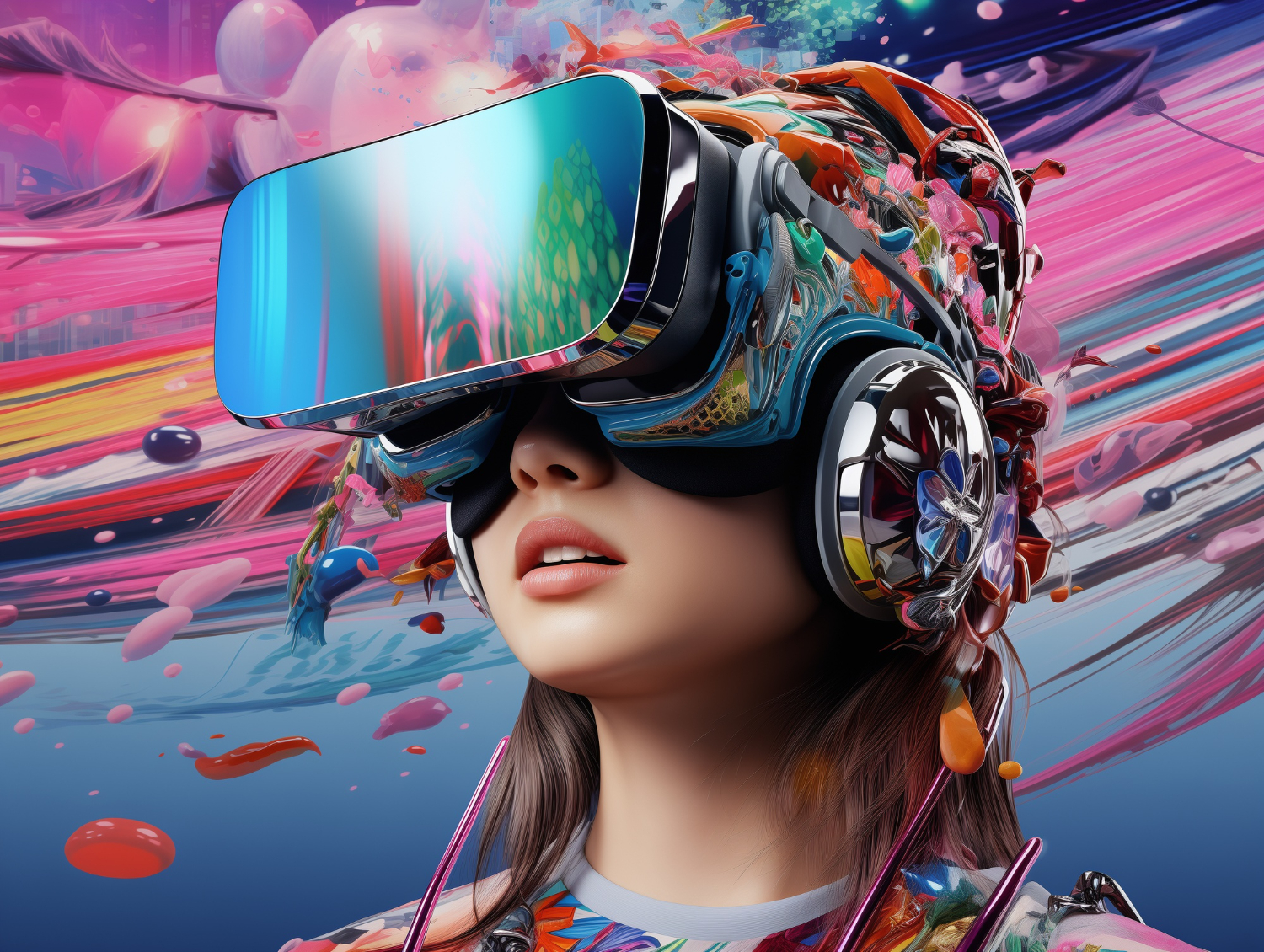
7. Augmented Reality (AR) and Virtual Reality (VR) Experiences
AR and VR are transforming how people interact with brands. From AR filters on Instagram to VR showrooms for real estate or automotive companies, immersive design is becoming more mainstream.
Graphic designers will play a key role in creating interactive environments where customers can engage with products and services in entirely new ways. This isn’t just futuristic hype—it’s quickly becoming a business differentiator.
8. Artificial Intelligence (AI) in Design
AI tools are revolutionizing graphic design. Platforms like Adobe Firefly and MidJourney allow designers to generate concepts in seconds, speeding up workflows. However, AI isn’t replacing designers—it’s enhancing them.
The future of design will involve collaboration between human creativity and machine efficiency. Businesses that leverage AI-driven design will save time, cut costs, and deliver faster campaigns without compromising quality.
Why Businesses Must Pay Attention
Ignoring design trends means risking irrelevance. Customers are quick to spot outdated visuals, clunky experiences, or inconsistent branding. On the other hand, businesses that adopt modern design practices gain:
- Stronger customer engagement through fresh, innovative visuals.
- Competitive advantage by standing out in crowded markets.
- Brand loyalty through designs that reflect current values and expectations.
- Future readiness by staying aligned with evolving digital experiences.
Final Thought
The future of graphic design is dynamic, immersive, and deeply human-centered. It’s no longer about “looking good”—it’s about creating meaningful connections. Businesses that embrace trends like motion, personalization, sustainability, and immersive design will not only capture attention but also earn long-term trust and loyalty.

One Response
cvnbbnf